
FRANCAIS
HOME
PRODUCT ZONES
SEARCH
NEWS
ENVIRONMENT
HELP
WHERE TO BUY?
CONTACT
UNIROSS
AND THE ENVIRONEMENT
ENVIRONMENT
WWF & UNIROSS PARTNERSHIP
QUIZ
TODAY, THE POLLUTION CAUSED BY BATTERIES IS ONE OF THE MOST PROBLEMATIC ASPECTS OF HOUSEHOLD WASTE DISPOSAL.
To avoid this, it is important to dispose of them in specially provided recycling containers.
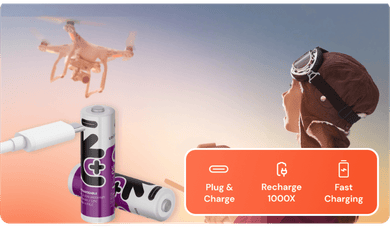
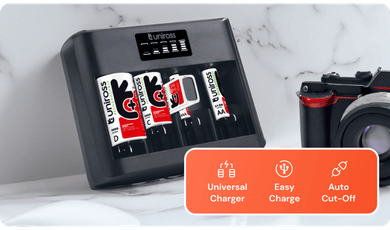
Using rechargeable batteries is also a viable environmental alternative to disposable batteries.
Rechargeable batteries have up to 32 times less impact on the environment than disposable batteries*! If we replaced all of the disposable batteries* in the world with rechargeable batteries, it would avoid producing 330 000 metric tonnes of waste.
Opting for rechargeable batteries and recycling them at the end of their life is a simple step that all eco-citizens can take to preserve the quality of our environment.
The differences between disposable batteries and rechargeables
There are two types of batteries:
- Those that are used once and then thrown away, also called disposable or primary batteries (alkaline, saline, lithium...).
- Those that can be recharged, commonly known as rechargeables. Rechargeables are sometimes referred to as secondary cells.
* alkaline batteries
Source : Uniross study carried out by Bio Intelligence Service with the support of ADEME in 2007
WWF & UNIROSS : A LICENCING PARTNERSHIP
Rechargeable batteries, a simple and economic gesture for the environment
Paris - May 30, 2006 - Uniross, the European leader in rechargeable batteries and WWF the global conservation organization, have announced today a licensing partnership for a period of 3 years.
This European partnership will extend across 40 countries and will allow for the creation of a series of initiatives to raise public awareness about:
- The ecological advantage of rechargeable Ni-MH (Nickel Metal Hydride) batteries and chargers.
- The environmental importance of collecting and recycling old batteries.
Uniross has committed to fund WWF to promote several mutually relevant environmental initiatives around the theme of sustainable consumption.
As part of the licensing agreement Uniross will launch a range of rechargeable batteries and chargers carrying the WWF logo.
The use of rechargeable batteries considerably reduces the impact on the environment compared to single use, disposable batteries. In fact, the use of one rechargeable battery in some applications can replace the use of up to 1000 disposable batteries. Therefore using rechargeable batteries significantly reduces the consumption of raw materials, and the quantity of batteries to collect and recycle.
QUIZ :
5 questions to test your knowledge of rechargeable batteries and the environment
How many times can I charge a rechargeable battery?
- 50 times
- 500 times
- 1000 times
Answer :
A rechargeable battery can be charged up to 1000 times and could reduce the volume of waste batteries by 1000 times!
If I buy a charger kit + 4 rechargeable batteries and charge my batteries 500 times, how much will I save:
- more than 500 euros
- more than 1000 euros
- more than 1500 euros
© Copyright 2010
|
EDIT INFO
|
CREDIT
|
DISTRIBUTOR WEBSITE
|
INDUSTRIAL WEBSITE
|
CORPORATE WEBSITE